Many of your end customers ask the same question: after a baby wears a diaper for some time, lumps and bumps start to form inside. Some parents take it as normal, while others immediately assume the diaper is low-grade or made with inferior raw materials.
For brand owners, importers and wholesale distributors, this consumer confusion creates headaches. Complaints, negative reviews and returned orders often stem from this single phenomenon. So as a buyer, you need a clear answer: what really causes diaper clumping, and how should you evaluate this indicator when sourcing?
Clumping is a post-use physical phenomenon. It cannot be used alone to judge whether a diaper is good or bad. A quality diaper balances many features, including breathable baby diaper, reliable locking performance and stable structure.
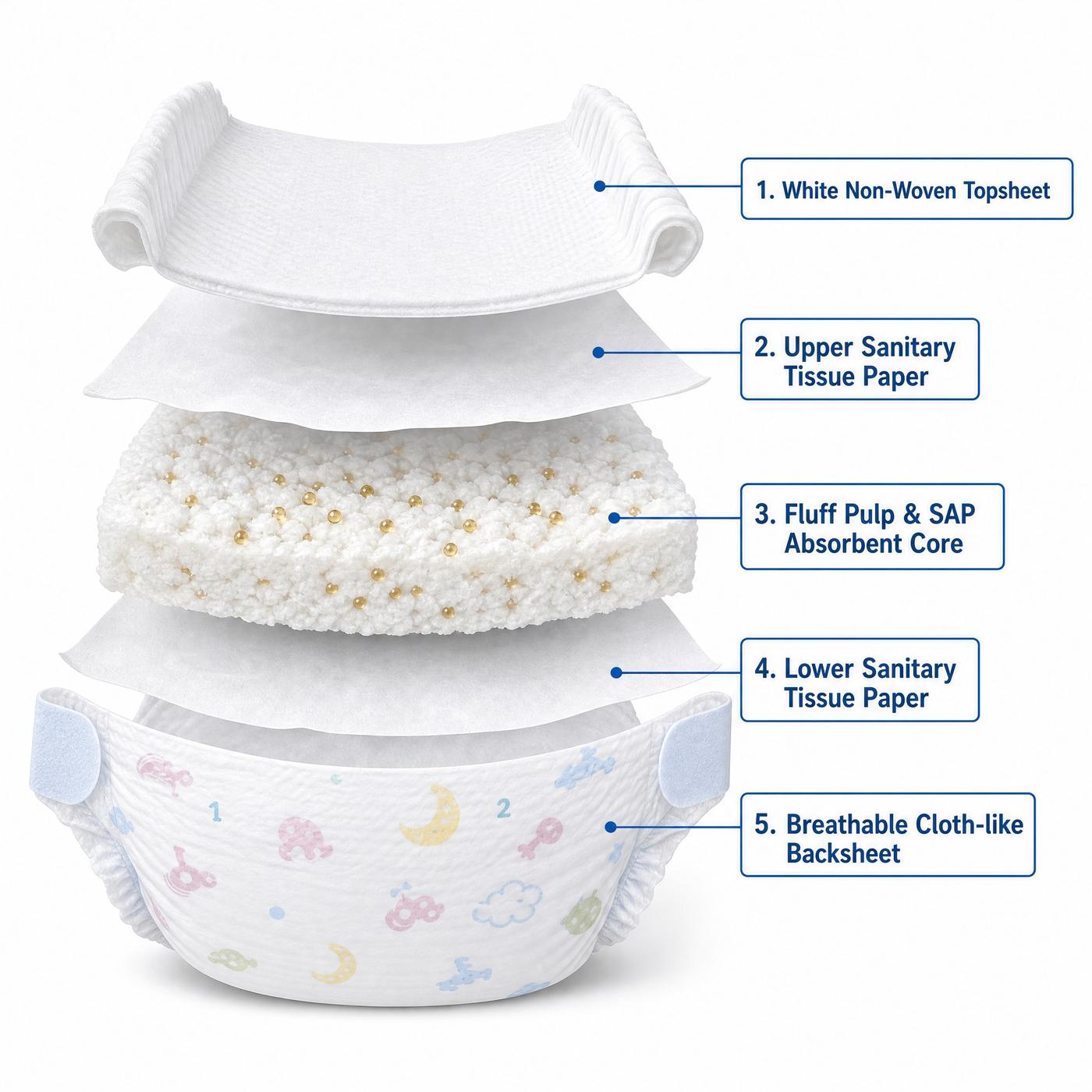
To understand this, we first need to recap how a diaper absorption core works. Most cores use super absorbent polymer (SAP), the key material that locks liquid away. When SAP absorbs urine, it swells and turns into a water-filled gel.
At the same time, fluff pulp and other fibrous layers also soak up moisture. As the baby moves, the diaper bends and squeezes, and liquid redistributes inside the core. If the core formula is well tuned, it delivers faster absorption baby diaper and reduces the chance of heavy liquid shifting that leads to severe clumping. This can make the swollen absorbent material gather locally, creating lumps, clumps or an uneven surface.
ot automatically. Minor shape change after liquid uptake does not make a product non-compliant. Different material blends, core structures and fixation processes lead to different performance after use. Top-tier designs often pair a stable core with double-layer leak-proof baby diaper, which separates the risk of leakage from core clumping issues.
That said, you should flag the product if you consistently see these issues: severe material shifting, extreme local swelling, core tearing, frequent leakage, or obvious degradation of absorption speed and capacity.
Also keep in mind: the severity of clumping depends on external factors: how much liquid the diaper has absorbed, wearing duration, baby activity level and correct usage.
The takeaway: clumping alone is not enough to mark a product as defective.
Clumping and leakage are two separate performance metrics. Leakage usually comes from an ill-fitting size, incorrect wearing, loose leg cuffs, over-saturation beyond the diaper’s absorption limit, or structural defects.
If your end users report both clumping and repeated leakage, guide them to check those factors first, instead of blaming clumping as the root cause.
Simple checks for end consumers: confirm correct size, proper wearing and reasonable changing frequency.
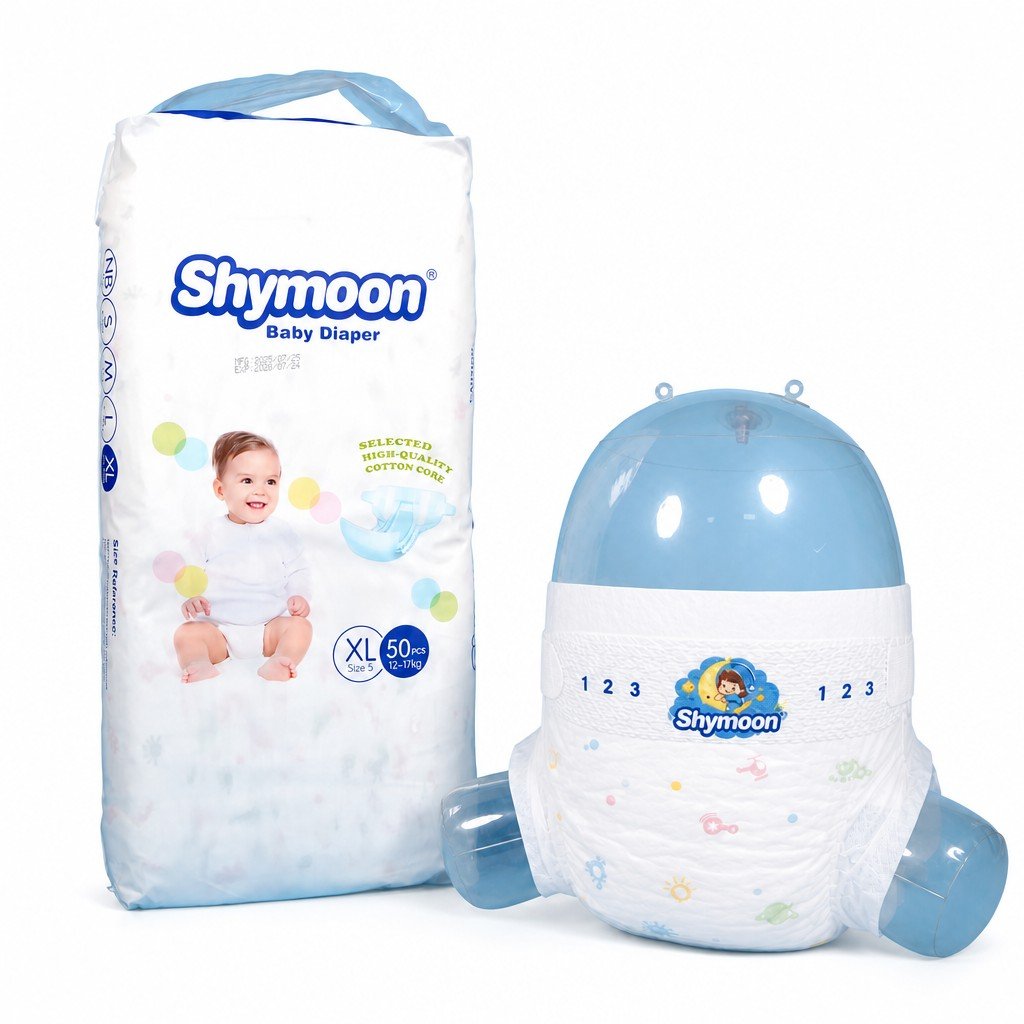
We recommend you share this checklist with your retail buyers and end users:
A diaper core may shift and clump after absorbing liquid, but products behave differently based on formulation and manufacturing.
“Does not clump easily” does not guarantee overall excellent performance, and clumping does not automatically mean a bad product.
The real evaluation criteria you should focus on during sourcing are absorption speed, rewet performance, leak-proof structure, core stability, raw material quality and real-world field test results.
Smart brand owners avoid over-simplified consumer myths. Instead of chasing “zero clumping” as an impossible selling point, it is more sustainable to select diapers with balanced, reliable overall performance.
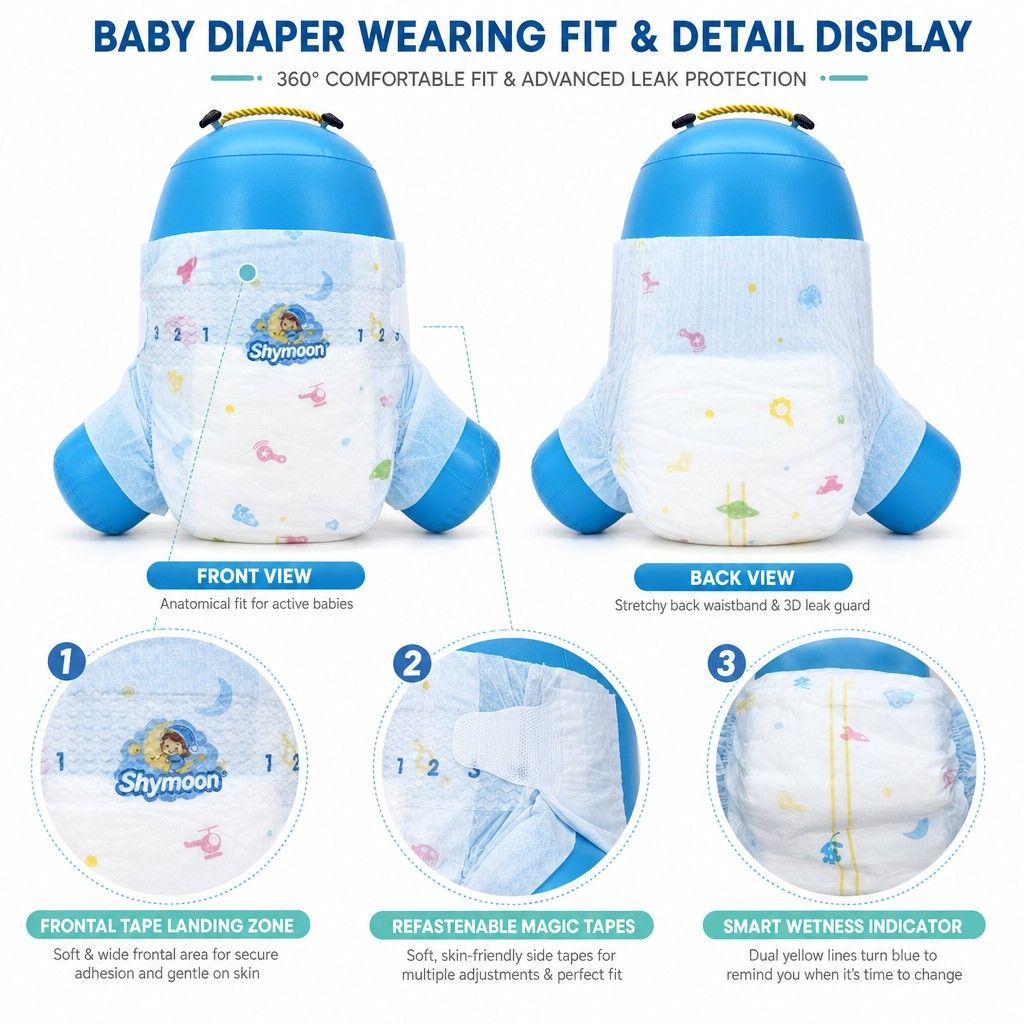
As a professional manufacturer for disposable hygiene products, we design our diaper cores with balanced SAP and pulp ratios, reinforced core fixation and stable absorption performance.
We help private label brands and bulk buyers avoid unnecessary customer disputes caused by exaggerated or misunderstood performance expectations. Our product line covers baby diapers, training pants, adult incontinence products, period pants and under pads, with OEM & ODM support, full certifications including ISO, CE, SGS and NAFDAC.
Whether you need samples for lab testing, custom private label packaging or large-volume stable supply, feel free to reach out. We can share our core design specifications, performance test reports and competitive factory pricing.
Contact us today to discuss your next hygiene product line.
 IPv6 réseau pris en charge